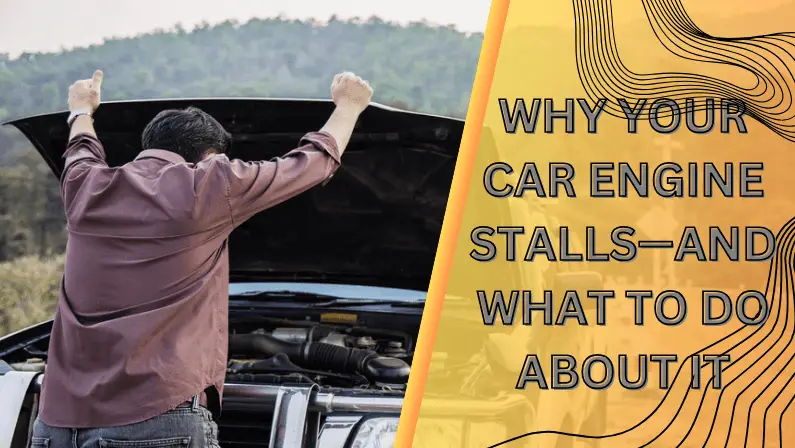
Few things are more frustrating—or dangerous—than car engine stalling in traffic or at a red light.
Car engine stalling can happen while driving, idling, or stopping, and it often signals issues with fuel delivery, ignition, airflow, or electrical systems.
Understanding the causes of car engine stalls can help prevent breakdowns, avoid costly repairs, and keep you safe on the road.
What is Car Stalling?
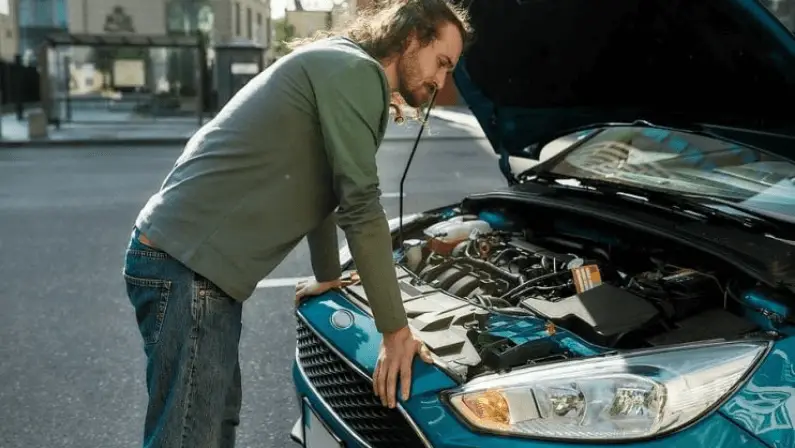
Car engine stalling occurs when the engine suddenly stops running due to a disruption in combustion.
This can happen when:
- The air-fuel mixture is incorrect
- The engine loses electrical power
- Mechanical components fail
Manual cars may stall from improper clutch control, while automatic vehicles may experience car engine stalling due to sensor or system faults.
Common Causes of Car Engine Stalling
Understanding the causes of car engine stalling helps you diagnose problems early and avoid breakdowns:
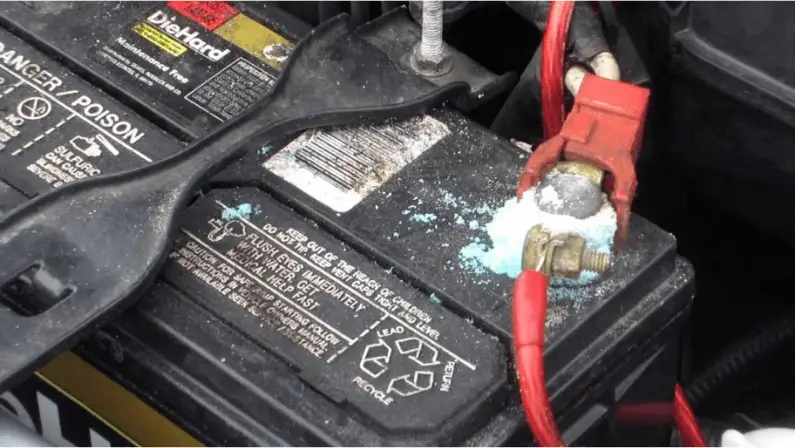
1. Weak or Dead Battery
A failing battery can disrupt ignition and engine operation.
Common causes:
- Corroded terminals
- Old battery
- Poor electrical connections
2. Alarm & Immobilizer
Modern anti-theft systems can prevent the engine from running if the key isn’t detected properly.
3. Faulty Fuel System
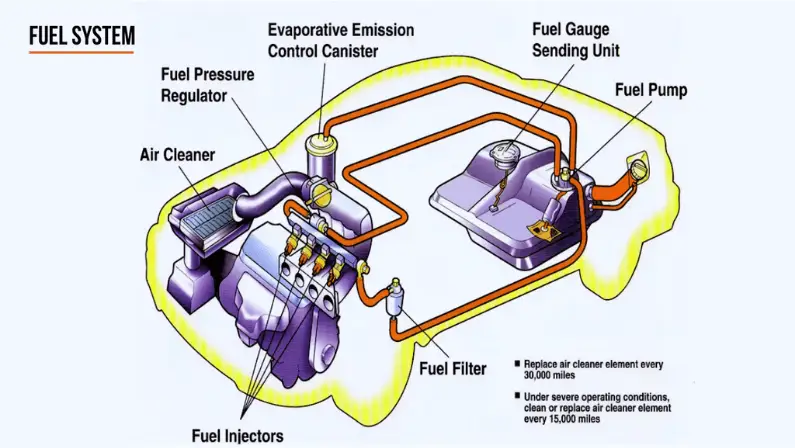
If fuel isn’t delivered properly, the engine will stall.
Possible issues:
- Failing fuel pump
- Dirty fuel injectors
- Clogged fuel filter
4. Faulty EGR Valve
A stuck Exhaust Gas Recirculation (EGR) valve disrupts airflow and combustion.
5. Faulty DPF Filter
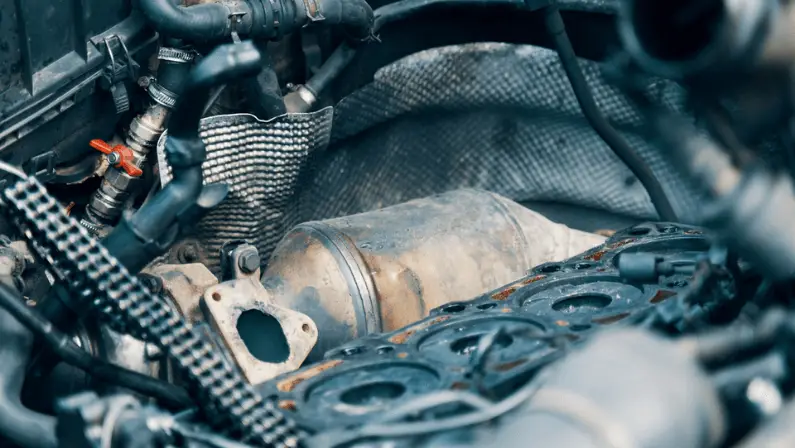
A blocked Diesel Particulate Filter restricts exhaust flow, causing stalling.
6. Transmission or Clutch Problems
- Manual: clutch not engaging properly
- Automatic: torque converter failure
7. Coolant / Overheating
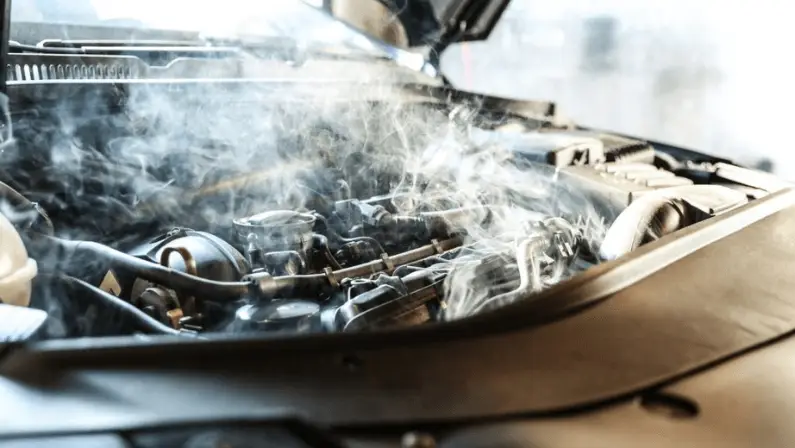
The cooling system in most cars is designed to maintain a safe temperature for the engine. However, if this system fails, the engine’s temperature can rise dangerously high, often causing the car to stall.
Overheating can be caused by any of the following:
- A coolant leak
- A broken water pump
- A blocked radiator
- A stuck thermostat
8. Timing Belt or Chain Failure
Incorrect engine timing can cause sudden engine shutdown.
9. Electrical or ECU Issues
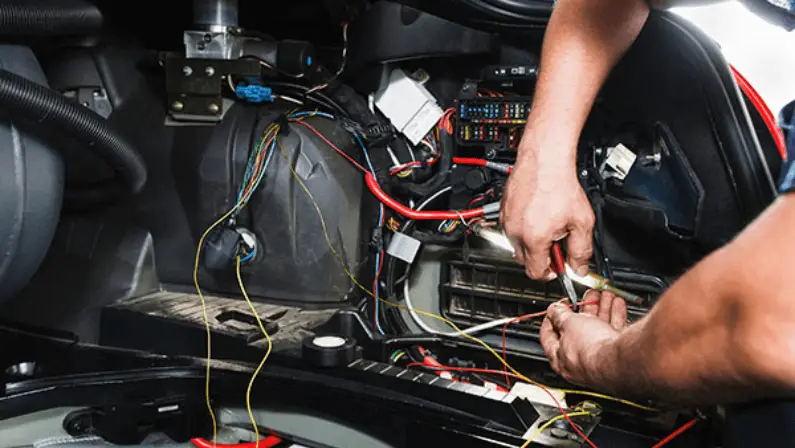
Faulty sensors or wiring can send incorrect data to the engine control unit.
10. User Error
- Releasing clutch too quickly
- Wrong gear selection
- Insufficient throttle
11. Sensor Malfunctions
Critical sensors (like MAF or crankshaft sensors) can disrupt engine operation.
12. Vacuum Leaks
Too much air entering the engine creates a lean mixture that won’t ignite properly.
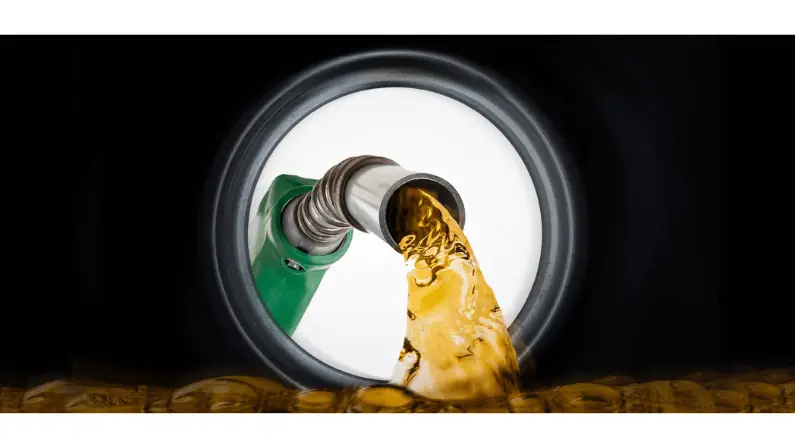
13. Contaminated Fuel
Bad fuel can lead to rough running or complete stalling.
14. Clogged Air Filter
Restricted airflow leads to poor combustion.
15. Fuel Delivery Failure
If fuel isn’t reaching the engine, it will stall immediately.
Signs and Symptoms of Car Engine Stalling
Stalls don’t always happen without warning, and your car often sends signals before the engine cuts out. Staying alert to these signs can help you address issues early, avoiding the risk of stalling in high-risk situations.
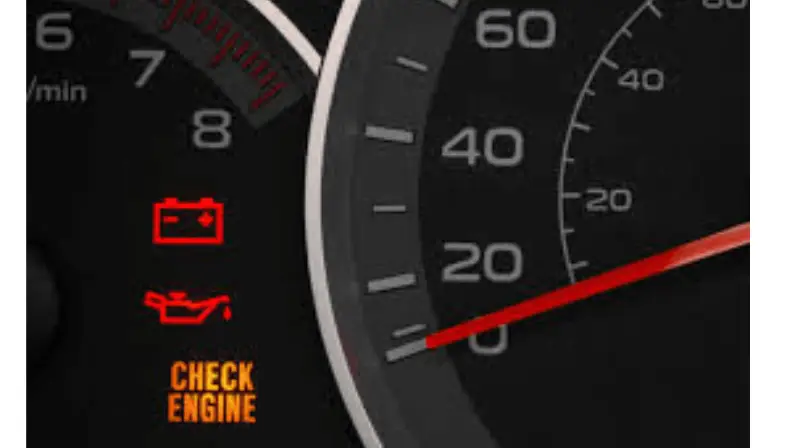
1. Warning Lights (Check Engine, Battery, Oil)
- Check Engine Light
- Battery Light
- Oil Pressure Light
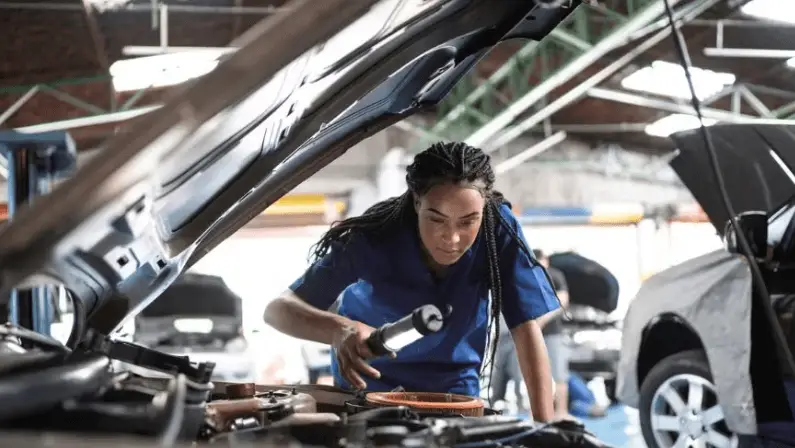
2. Unusual Sounds Before Stalling
- Sputtering (fuel issues)
- Knocking (combustion problems)
3. Poor Engine Performance or Hesitation
- Hesitation when accelerating
- Rough idling
- Weak power output
4. Difficulty Restarting After Stalling
Difficulty restarting often signals deeper mechanical or electrical problems.
What To Do When Your Car Engine Stalls
If your car stalls, knowing what steps to take can help keep you safe and get your vehicle running again as soon as possible. Here’s a guide on what to do if you find yourself dealing with a stalled engine.
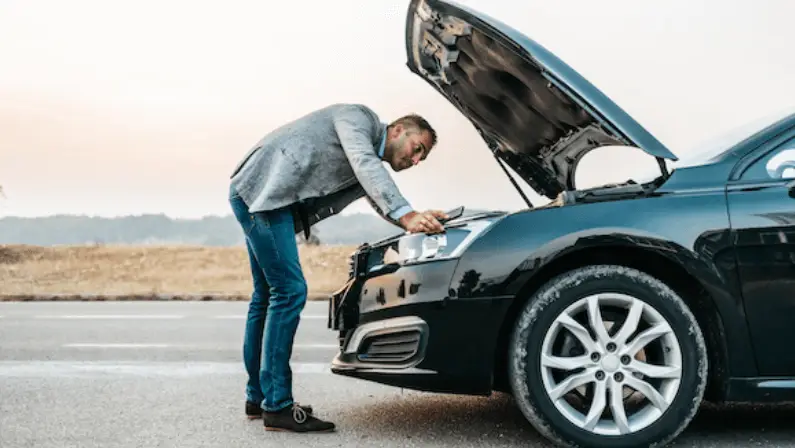
1. Stay Safe First
- Pull over safely
- Turn on hazard lights
2. Perform Basic Checks
- Check fuel level
- Inspect battery connections
- Try restarting the engine
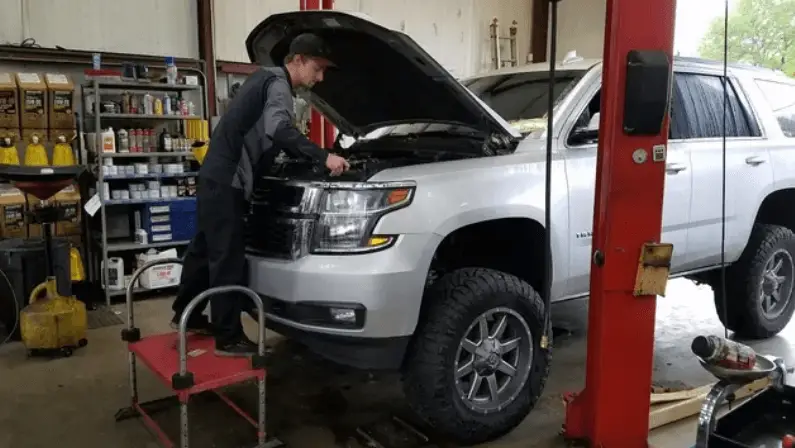
DIY Fixes vs Professional Help
When your car stalls, deciding between DIY fixes and calling for professional help can be crucial. Some issues are simple and can be tackled at home, while others require the expertise of a mechanic. Here’s a breakdown of steps you can take depending on the problem’s complexity.
Try DIY If:
- Replacing spark plugs
- Changing air filter
- Topping up fluids
Call a Professional If:
- Fuel system issues
- Transmission problems
- Electrical or sensor faults
Being aware of what you can handle on your own versus when to call a professional can save you time and money while ensuring your vehicle gets the appropriate care it needs.
How to Prevent Car Engine Stalling
Preventive maintenance is essential for keeping your vehicle running smoothly and avoiding unexpected stalls. By staying proactive about your car’s health, you can identify potential issues before they lead to breakdowns. Here are some key preventive measures to consider:
1. Regular Vehicle Inspections
- Inspect battery and terminals
- Replace air filter regularly
- Check spark plugs
- Monitor fluid levels
2. Routine Services
- Oil changes
- Engine tune-ups
- Fuel system cleaning
3. Use Quality Fuel
Better fuel improves combustion and reduces buildup.
At CarHub, our technicians provide comprehensive maintenance services. Schedule your next preventive maintenance appointment with us to keep your car running smoothly and avoid frustrating stalls on the road.
Professional Help for Car Engine Stalling Issues
Understanding the causes and warning signs of car stalling can help you tackle small issues before they become major problems. Staying alert to dashboard lights, odd noises, or changes in your car’s performance can make a big difference to your safety and peace of mind on the road.
When it comes to expert care, CarHub has you covered. Our skilled team is here to help keep your vehicle in peak condition and ensure your drive remains as smooth as possible.
For more automotive insights, tips, and advice, visit our blog page, where we offer a wealth of resources to keep you informed and safe. Drive confidently with CarHub at your side!