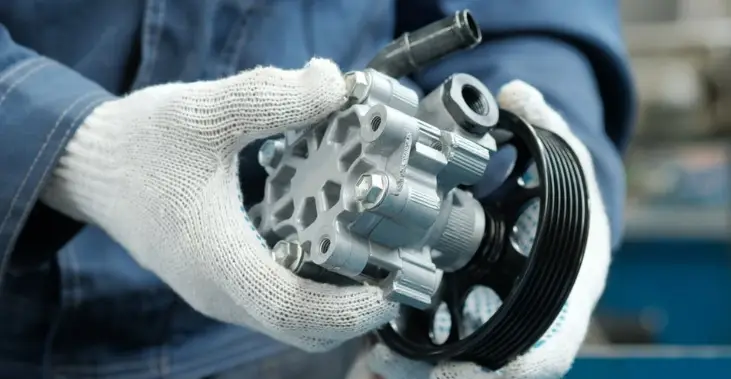
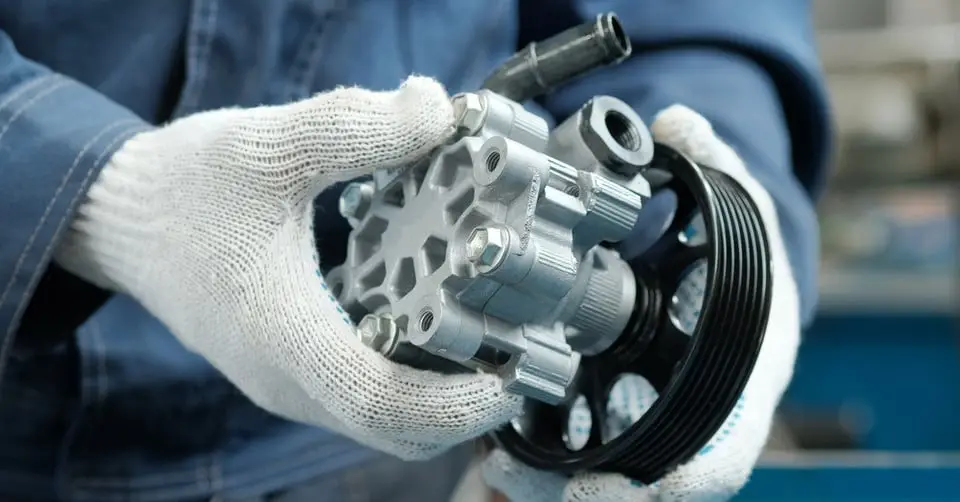
You just replaced your power steering pump, expecting buttery-smooth steering—only to hear that annoying whining noise return. What gives? A brand-new power steering pump whining isn’t normal, but it’s fixable. At CarHub CarHub, we’ve solved this headache for countless drivers.
This issue, commonly referred to as power steering pump whining, is often caused by air in the system, low fluid, or internal pump wear.
In this guide, we’ll go over the most common reasons behind the noise, how to troubleshoot them, and what you can do to get your car steering quietly and smoothly once again.

What Causes Power Steering Pump Whining?
Before fixing the issue, you need to understand what power steering whine is and why it happens. This whining noise usually shows up when you turn the steering wheel while the engine is running.
It’s often caused by something called cavitation, when air bubbles form and collapse in the power steering fluid as it moves through the pump. But it’s not always just air; mechanical problems, like a failing pump or a clogged filter, can also lead to the same whining sound.
While it might seem like just a minor annoyance, a whining noise can be a warning sign of trouble in your power steering system. It may lead to reduced steering assist, making the steering feel stiff or jumpy.
This can affect how safe and comfortable your drive feels. If your car is fighting back when you turn the wheel, or the response is unpredictable, it’s a good idea to get it checked before it becomes a bigger issue.
Common Causes of a New Power Steering Pump Whining

If your new power steering pump is still whining, it’s likely caused by an issue somewhere in the system rather than the pump itself. Several possible culprits can be behind that high-pitched noise. Understanding what these are can help you fix the problem before it turns into a bigger repair. Below are the most common causes of power steering pump whining, ranked from most frequent to least frequent:
1. Trapped Air in Power Steering System
Air in the power steering system after pump replacement or loose hose connections can cause a whining noise due to disrupted hydraulic flow. This is often confirmed by frothy or aerated fluid in the reservoir. Proper system bleeding and tightening of all hose connections restores normal fluid circulation and prevents air from re-entering the system.
2. Cavitation in Power Steering Pump
Cavitation occurs when low inlet pressure causes vapor bubbles to form in the power steering fluid, which collapse and create a whining or growling pump noise. It is typically caused by air leaks in return lines or restricted fluid supply to the pump. Repairing leaks and restoring proper inlet pressure resolves cavitation and eliminates pump noise.
3. Worn or Defective Power Steering Pump
A worn or defective power steering pump can produce continuous whining even after fluid levels and air issues are corrected. Internal wear, damaged bearings, or manufacturing defects reduce pump efficiency and create persistent noise. Replacement of the pump is required once other system causes have been eliminated.
4. Clogged Reservoir Screen
A clogged reservoir screen restricts power steering fluid flow to the pump, increasing system strain and causing whining noise. Debris buildup reduces hydraulic efficiency and affects steering performance. Cleaning or replacing the reservoir screen restores proper fluid flow and reduces pump load.
5. Old or Contaminated Power Steering Fluid
Degraded or contaminated power steering fluid reduces lubrication efficiency and contributes to pump noise and steering stiffness. Over time, fluid breakdown and debris increase internal friction within the steering system. A complete fluid flush with manufacturer-approved fluid restores proper hydraulic performance and reduces noise.
6. Low Power Steering Fluid Level
Low power steering fluid levels allow air to enter the system, causing whining noise and reduced steering assist, especially at low speeds. While topping up fluid may temporarily reduce symptoms, the underlying leak must be repaired to prevent recurring pump noise and system damage.
How to Diagnose a Whining Power Steering Pump
Diagnosing a whining power steering pump doesn’t have to be difficult. A few simple steps can help you figure out what’s causing the noise and whether it’s something you can fix yourself or if it needs professional attention.
1. Listen for the Noise

Start by identifying when the power steering pump whining noise occurs. If the noise only happens while turning the steering wheel, it usually points to a fluid or pressure issue within the steering system. If the whining is constant even when the vehicle is not being steered, it may indicate a worn power steering pump or a slipping drive belt.
2. Check the Power Steering Fluid
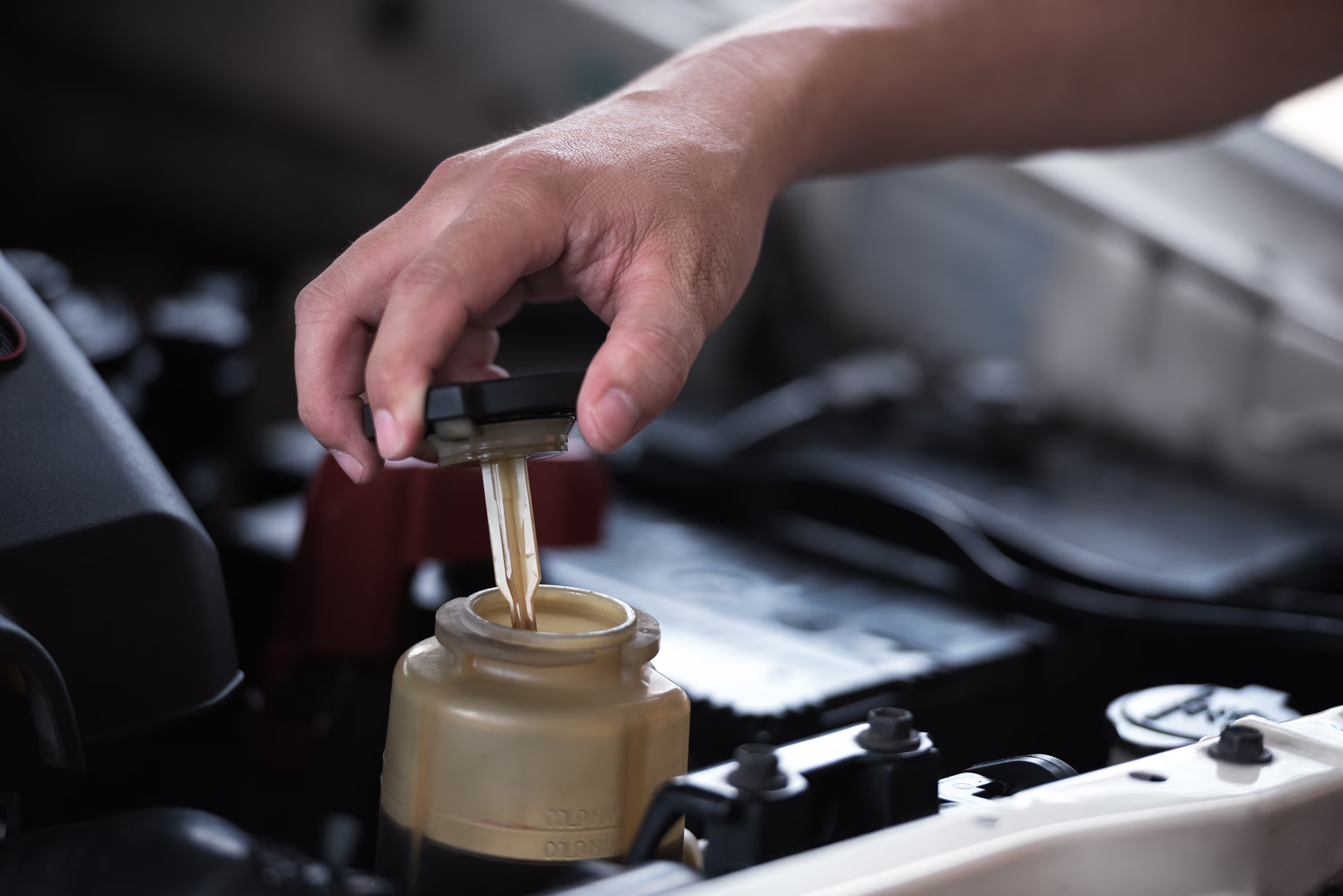
Inspect the power steering fluid reservoir and confirm the fluid is within the proper range. Low fluid levels often lead to pump noise and may indicate a leak in the system. Also check fluid condition—dark, foamy, or contaminated fluid reduces hydraulic performance and can cause whining, often requiring a full fluid flush to restore proper operation.
3. Inspect the Pump and Belt
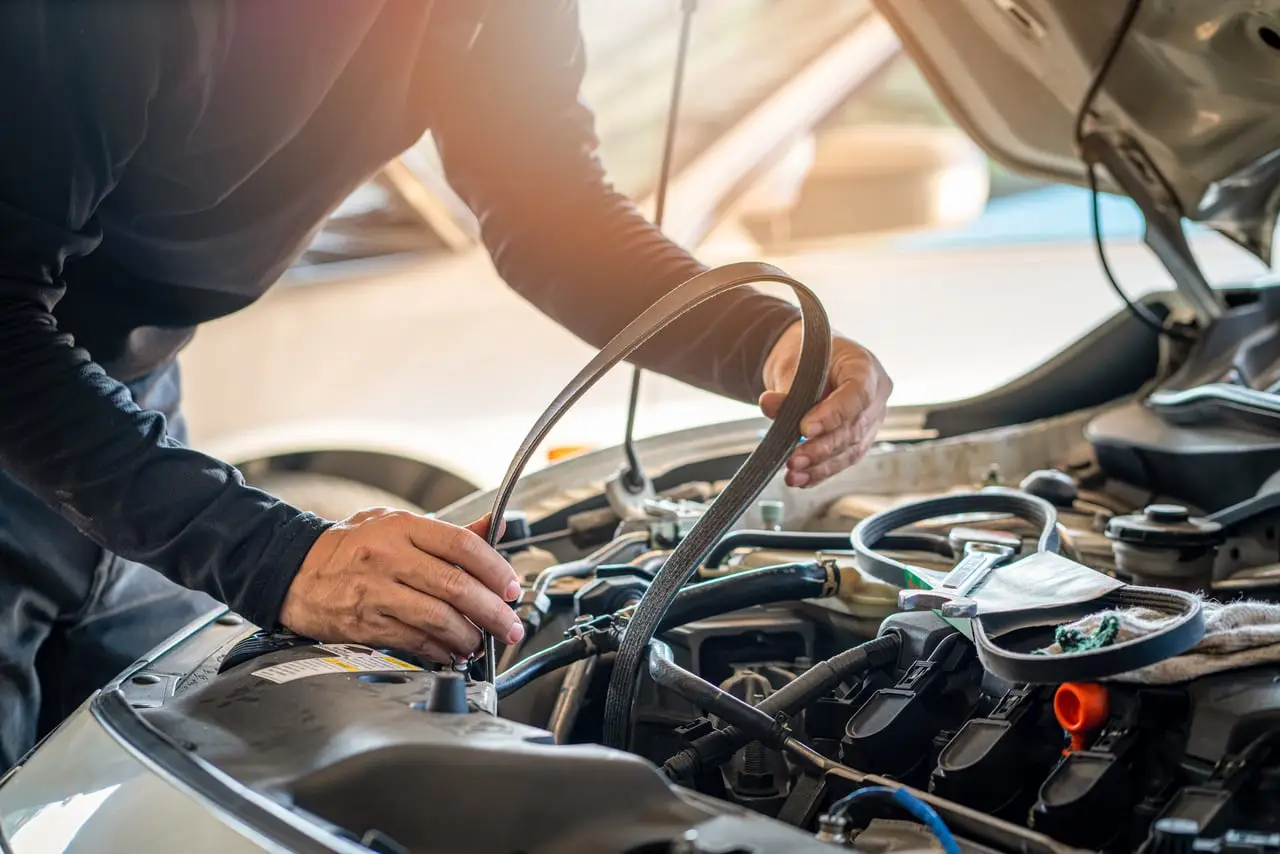
Examine the power steering pump and the drive belt for visible wear or damage. A loose, cracked, or slipping belt can prevent the pump from maintaining proper pressure, resulting in whining noise during steering. Check the pump housing for fluid leaks or physical damage, as these are common signs of internal pump failure.
4. Bleed the Power Steering System (If Needed)
If air has entered the system, it can create pump noise and inconsistent steering response. Bleeding the power steering system removes trapped air and restores proper hydraulic pressure. This step is especially important after fluid replacement or pump installation.
Addressing Power Steering Whine
If your new power steering pump is still whining, a proper diagnosis can help you figure out what’s going wrong and how to fix it. Here are a few steps and key areas to check when narrowing down the issue:
1. Top Up on Power Steering Fluid
Start with the simplest step: check the power steering fluid level. If it’s low, top it up with the correct type of fluid for your vehicle.
Low fluid is one of the most common causes of whining, and it’s often due to a leak somewhere in the system. After refilling, keep an eye on the level over the next few days to see if it drops again.
2. Check for a Clogged Reservoir Screen
Some power steering reservoirs have a built-in screen or filter to catch debris. If this screen is clogged, it can restrict fluid flow, causing the pump to whine.
Remove the reservoir cap and use a flashlight to check for visible blockages. If you notice sludge or debris, cleaning or replacing the reservoir may solve the issue.
3. Replace the Power Steering Pump
If you’ve already addressed the fluid levels, checked for air and cleaned the reservoir, but the whining still persists, the pump itself might be faulty.
Even new or remanufactured pumps can be defective, especially if internal components like bearings or seals are worn. In this case, replacing the pump might be the only option.
4. Bleed the Power Steering System (Using the Vacuum Method)
Air trapped in the power steering system can cause whining sounds and reduced steering performance. The vacuum method is one of the most effective ways to bleed the system.
This involves using a vacuum pump to pull air bubbles out of the fluid, ensuring a smooth and silent operation. It’s especially useful after installing a new pump.
5. Replace Other Components
Sometimes the issue isn’t the pump at all. A worn-out belt, damaged hoses, or even a failing steering rack can create noise and stress the pump.
Check the drive belt for cracks or looseness and inspect all hoses for leaks or swelling. If these parts look worn, replacing them may stop the noise and protect your new pump from further damage.
What Technicians Check When Diagnosing Power Steering Whining?
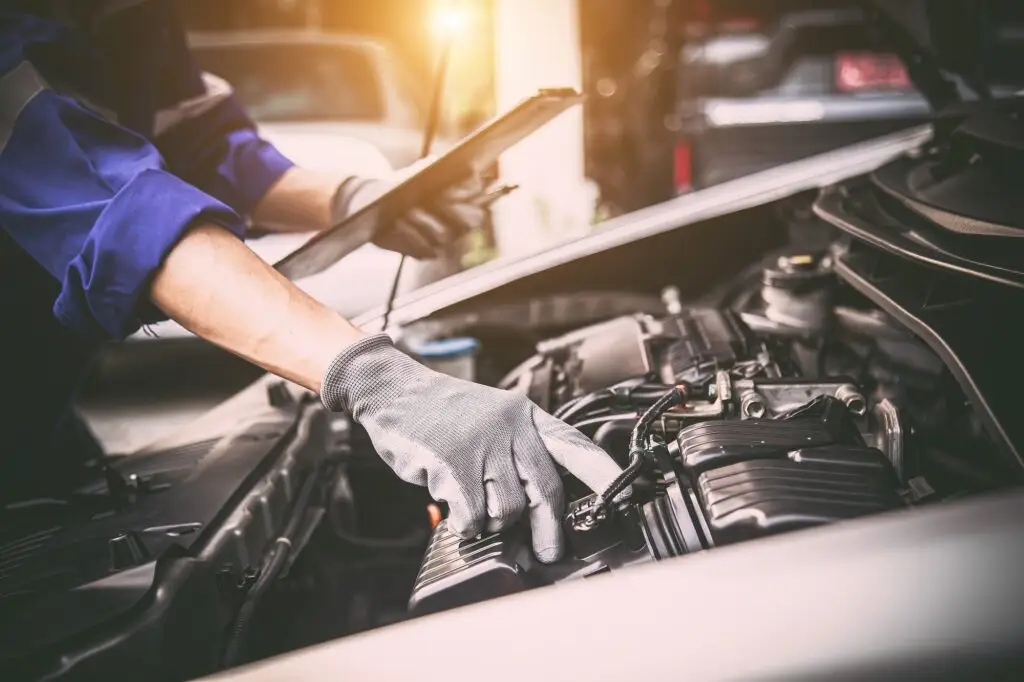
When diagnosing a whining power steering pump, technicians focus on identifying issues within the system that affect fluid flow, pressure, and component performance. While some basic visual checks can help indicate a problem, a proper diagnostic inspection is the most reliable way to pinpoint the exact cause and prevent further damage.
Power steering noise is often linked to fluid condition issues, air in the system, or wear within key components. During inspection, technicians follow a structured process to assess the entire steering system rather than relying on guesswork or surface-level symptoms.
🔧 Key Areas Technicians Inspect
1. Power Steering Fluid Level and Condition
Technicians first inspect the power steering fluid to ensure it is at the correct level and in good condition. Low, contaminated, or aerated fluid can lead to whining noises and reduced steering performance. The fluid is checked for signs of air bubbles, discoloration, or debris that may indicate internal system issues.
2. System Air and Pressure Balance
Air trapped in the power steering system can cause cavitation, which often produces a whining or groaning sound when turning the wheel. Technicians evaluate system pressure and check for air entry points that may be disrupting normal fluid circulation.
3. Pump Condition and Internal Wear
The power steering pump is inspected for internal wear, damage, or reduced efficiency. A worn pump may struggle to maintain proper hydraulic pressure, leading to noise during operation and inconsistent steering response.
4. Hoses, Seals, and Connections
All high-pressure hoses, seals, and connection points are inspected for leaks, cracks, or looseness. Even a small leak can introduce air into the system or reduce fluid pressure, contributing to whining sounds.
5. Drive Belt Tension and Condition
Technicians also examine the drive belt that powers the steering pump. A loose, worn, or slipping belt can reduce pump performance and create noise that mimics internal pump failure.
Power Steering Pump Whining? Get Expert Diagnosis & Repair at CarHub
A whining noise from your power steering pump is more than just an annoyance—it’s often an early warning sign of a developing steering system issue.
While some causes, such as low fluid levels or air in the system, can be minor, others may indicate underlying problems that should be addressed quickly to avoid further damage.
Potential risks of ignoring power steering noise:
- Increased wear on the power steering pump
- Damage to steering components such as the rack and pinion
- Reduced steering performance and responsiveness
- Unsafe or inconsistent steering behavior
At CarHub, our certified technicians use advanced diagnostic tools to accurately identify the cause of power steering pump noise. We inspect fluid condition, system pressure, and pump performance to ensure the correct repair is completed.
Don’t risk your safety with a whining pump! Book a power steering inspection now or call for immediate help: (866) 972-5423.