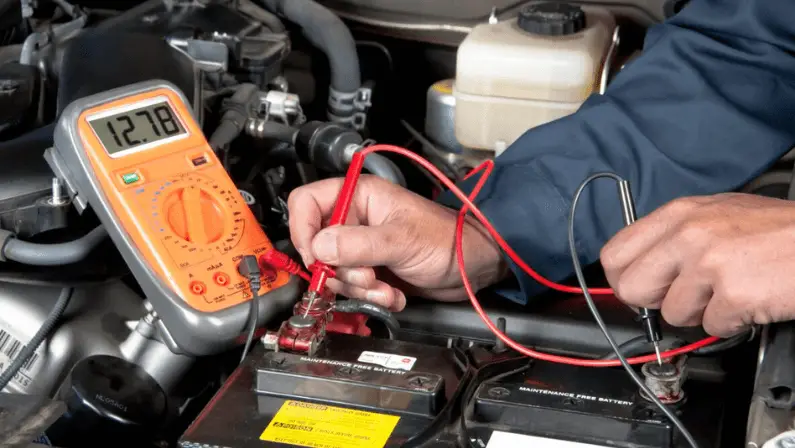
If your car struggles to start, has dim lights, or shows electrical issues, your alternator may be the problem. In many cases, these signs appear early. Therefore, learning how to test your car alternator can help you avoid sudden breakdowns.
In this guide, you will learn simple testing methods. Additionally, you will discover warning signs and solutions.
How to Test Your Car Alternator (Quick Steps)
- First, start the engine and check dashboard lights
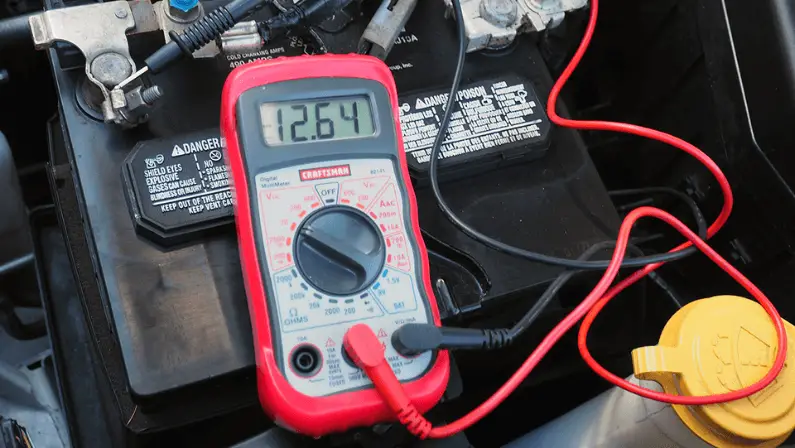
- Next, measure battery voltage with a multimeter
- Then, turn on headlights and check brightness
- After that, listen for unusual noises
- Finally, test the alternator under load
What Is a Car Alternator?
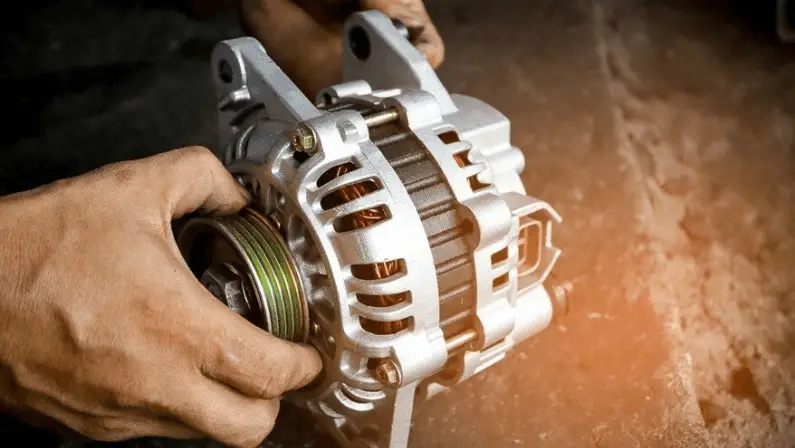
An alternator powers your car while the engine runs. In other words, it keeps your battery charged.
It works by turning mechanical energy into electrical energy. This process is simple. The engine spins a rotor. Then, a magnetic field is created. As a result, electricity is produced.
Without it, your battery will drain. Eventually, your car will stop working.
What Causes an Alternator to Fail?
Alternators can fail for several reasons. However, most issues come from wear, heat, or electrical damage.
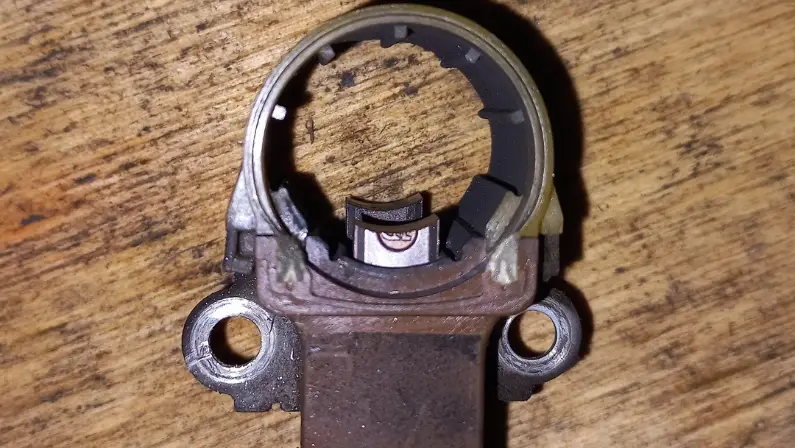
1. Worn-Out Brushes
Over time, brushes wear down. As a result, they lose contact and cause charging issues.
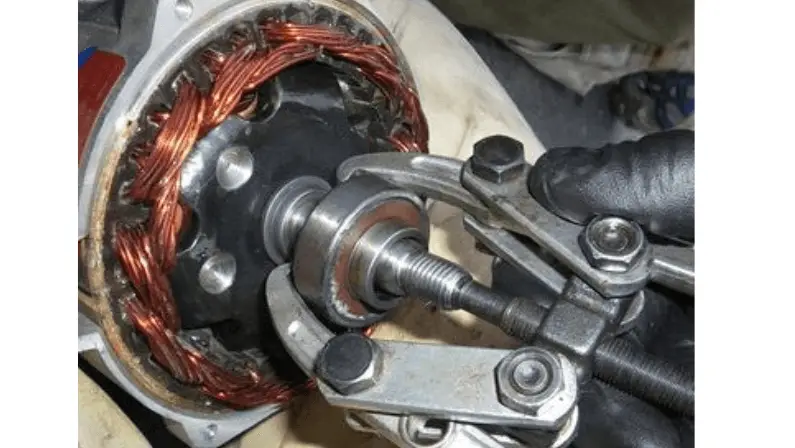
2. Damaged Bearings
Bearings help the alternator spin smoothly. When they fail, you may hear grinding noises.
3. Stator W3
Water exposure can damage internal components. Therefore, avoid driving through deep water.
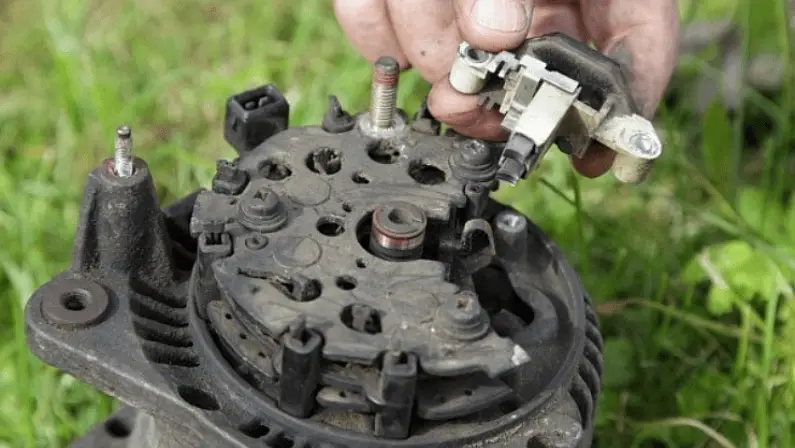
4. Regulator Relay Failure
The regulator controls power output. If it fails, your battery may overcharge or undercharge.
5. Diode Bridge Failure
Diodes convert power for your car. When they fail, the alternator stops working properly.
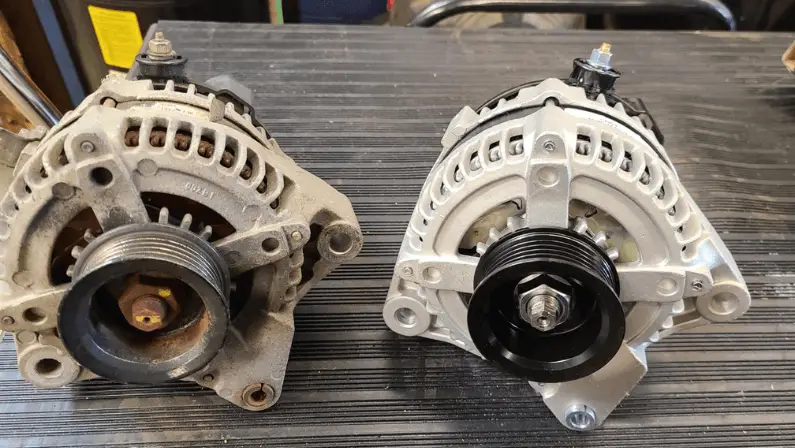
How to Tell If Your Car Alternator Is Bad
A failing alternator often shows clear warning signs. Therefore, watch for these symptoms:
- Dimming lights: Especially when driving at night
- Battery warning light: A strong early indicator
- Electrical issues: Problems with radio or windows
- Burning smell: Possible wiring or belt damage
- Hard starts or stalling: Caused by low battery power
If you notice these signs, test your alternator as soon as possible.
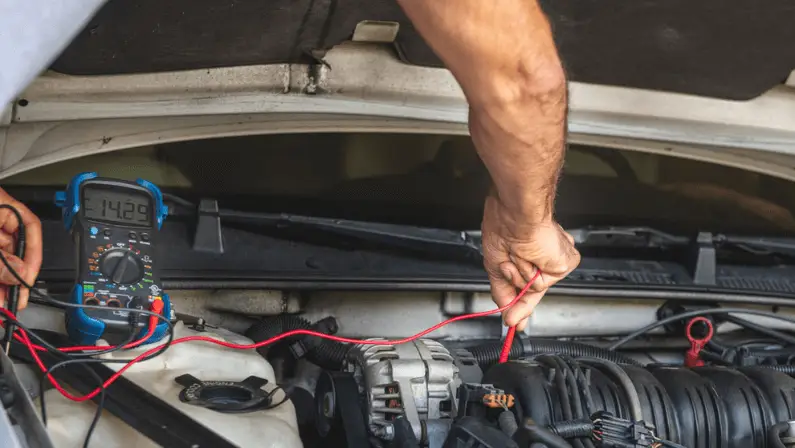
How to Test a Car Alternator (Step-by-Step)
Step 1: Check Battery Voltage
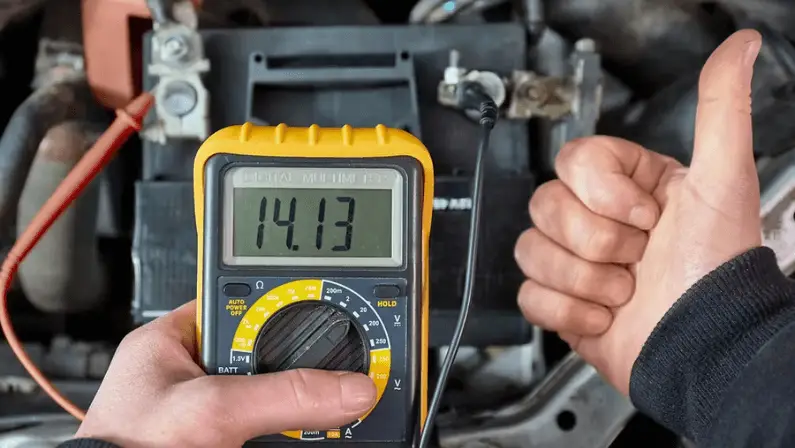
Use a multimeter with the engine off. A healthy battery should read about 12.6 volts.
Step 2: Test with Engine Running
Start the engine and test again. The reading should be between 13.7 and 14.7 volts.
Step 3: Load Test the Alternator
Turn on headlights and AC. The voltage should stay stable.
Step 4: Watch for Warning Signs
Look for flickering lights or dashboard warnings during the test.
Signs of a Failing Alternator
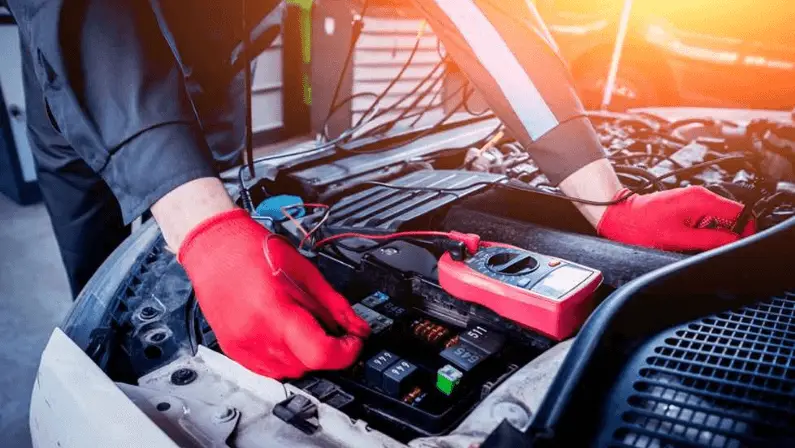
- Flickering headlights
- Weak or dead battery
- Dashboard warning light
- Grinding or whining noises
- Electrical malfunctions
- Burning rubber sme
Related Articles
Troubleshooting Beyond the Alternator
Sometimes, the alternator is not the issue. Therefore, check these areas:
Inspect Wires and Connectors
-
- Look for damaged or loose wiring
- Ensure connections are clean and tight
Check Fuses
-
- Replace blown fuses
- Inspect fusible links
Test Voltage Regulator
-
- A faulty regulator affects charging
Perform Electrical Tests
-
- Use a multimeter
- Try a wiggle test for loose connections
If needed, have a professional inspect your vehicle.
What to Do If Your Alternator Fails
If your alternator fails, replacement is usually the best option.
You can choose:
-
- A new alternator
- A remanufactured unit
Although rebuilding is possible, it requires skill. Therefore, most drivers prefer replacement for reliability.
Maintenance Tips to Prevent Alternator Problems
Proper maintenance helps extend alternator life.
-
- Check wiring regularly
- Clean battery terminals
- Avoid overloading electronics
- Maintain a healthy battery
- Inspect belt condition and tension
As a result, you reduce the risk of sudden failure.
Test Today, Prevent Trouble Tomorrow
Get Your Alternator Checked by Experts at CarHub If your alternator shows signs of failure, don’t wait until your vehicle breaks down.
The certified technicians at CarHub can quickly diagnose and repair charging system issues.
Book your service today and keep your vehicle running reliably.
A failing alternator won’t get better on its own—it will leave you stranded. By testing yours now, you’ve taken the first smart step in preventive care. But don’t stop there:
Drive with confidence. Schedule your alternator check today at CarHub!